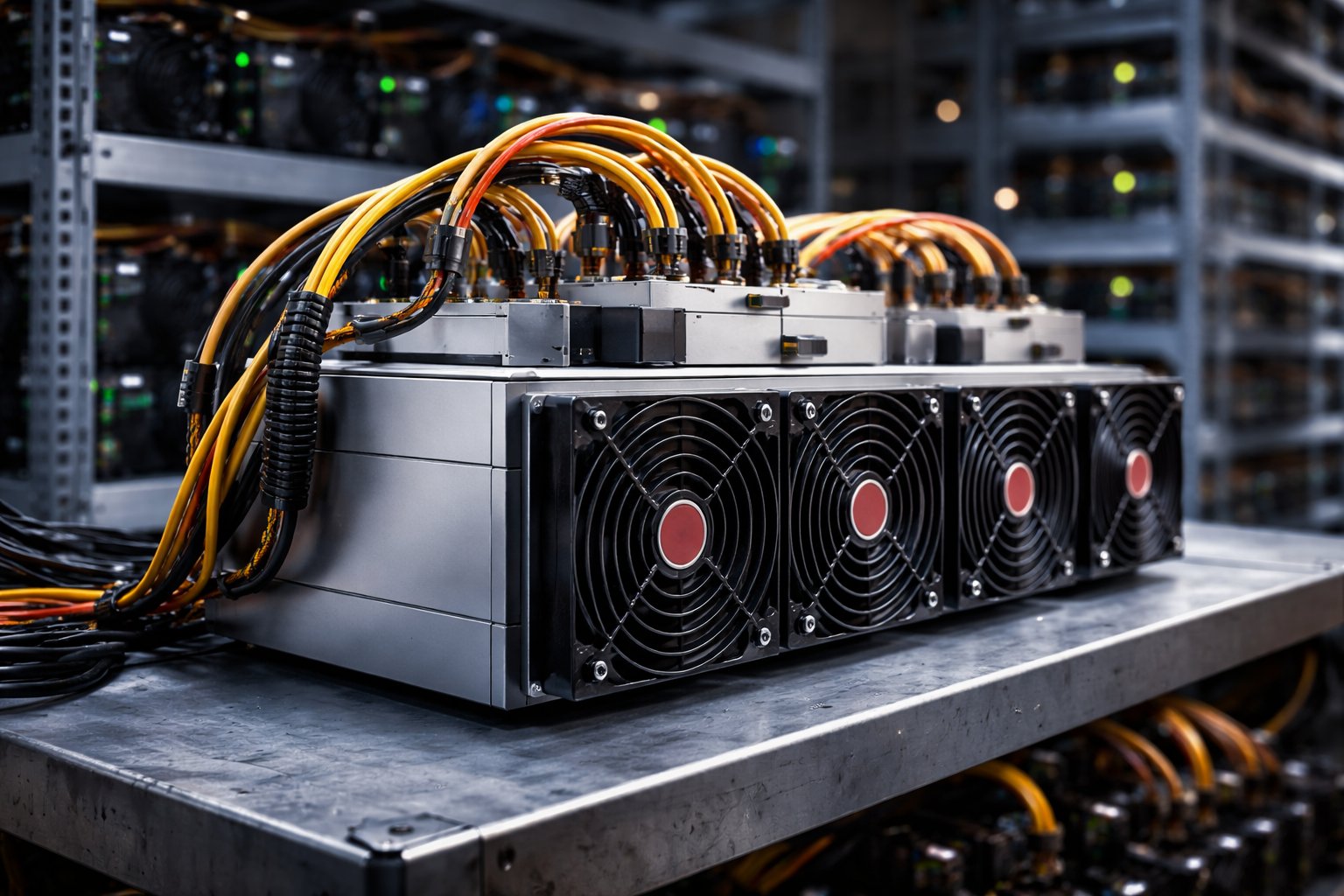
The cryptocurrency mining industry in Georgia has experienced tremendous growth, driven by the availability of cheap hydropower, although this is causing increasing strain on the country’s energy infrastructure.
Natural hydropower resources are abundant in the country, making it an ideal place for miners who would like to cut costs.
Hydropower contributes about 75% of the country’s electrical production, ensuring that there is a surplus of energy during the spring and summer seasons due to high water levels, according to the International Energy Agency.
Crypto Mining Expands Across Scales
Mining operations range from large-scale industrial facilities to modest household configurations, especially in rural areas.
According to the Institute for War & Peace Reporting, in places like Svaneti, people have fitted rigs into homes and garages, attracted by subsidized or low tariffs.
Grass-roots growth has increased local incomes but has also put much stress on the distribution networks not built to bear continuous loads.
A 2025 report by Georgia Today showed that power consumption for mining had surged sixfold in 2024, reaching 465 million kilowatt-hours, more than that used by steel mills or railways. Free industrial zones in Tbilisi and Kutaisi, complete with VAT exemptions on power, have accelerated this growth.
Economic Gains Amid Investments
Supporters point out its significance in contributing to the nation’s economy.
Full-scale operations brought foreign direct investments in technical maintenance, construction, and cooling systems employment.
In 2018, it was reported by the World Bank that 10-15% of electricity is being used in mining within the country.
Georgia is one of the world leaders when it comes to mining per capita, thanks to favorable business regulations and simplified registration procedures for miners.
One of the world’s top miners, CleanSpark, has several of its operation sites in Georgia, generating millions of dollars in taxes and profits, according to Georgia Public Broadcasting.
Grid Pressures and Winter Vulnerabilities
However, fast demographic growth has raised concerns about the sustainability of infrastructure.
In winter, hydro’s decrease of production leads to peak demands that force Georgia to import energy, even from Azerbaijan during those seasons.
Overload by mining demands raises costs for consumers, as reported by IWPR regarding Svaneti’s overload on energy supply infrastructure.
Organizations such as Greenpeace have faulted such reliance on fossil fuels even though the energy is clean.
The energy report of 2023 indicated that some of the mines in Georgia have access to over 90% of their power from fossils, which releases over 200,000 tons of carbon dioxide a year offsetting the benefit of using hydropower.
Debates on Regulation Intensify
Legislative bodies are considering reforms which include differentiated tariffs for energy-consuming sectors as well as bans on unregistered mines.
Several counties such as Gilmer and Fannin have banned mining owing to noise and pollution concerns, according to GPB.
Model regulations have been offered by the Southern Georgia Regional Commission to help in setting local regulations.
It is widely suggested that such subsidized energy should give more emphasis to industrial development than speculative mining ventures.
Otherwise, such an increase threatens to ruin the energy edge that fueled this expansion.
Path Forward for Sustainable Growth
The Georgian mining boom is only one example among many that embodies the challenges many resource-rich developing nations face in tapping opportunities while securing their resources.
If properly managed, crypto could be a plus for the digital economy. Left unchecked, it could stress the system and spark a reaction.
With the race for global mining growing in intensity, the fact that Georgia provides cheap electricity continues to make it an attractive option for mining centers, but sustainability is the key to success.
Looking forward, milestones include possible state laws in 2026 legislative sessions and continuing reviews of data center ordinances, including mining, in counties.